
"G1-G8 grade"
40000 article(s) found
The Development History of Indonesian Coffee Bean Culture and its producing areas and grading system Mantenin's taste and flavor characteristics
Indonesian coffee Indonesian coffee is dull, low-sour and mellow, so it is a good heart for many coffee gluttons. Even after deep roasting, the characteristics of the beans themselves will not be lost, which is especially suitable for Asian coffee lovers. What kind of growing environment can cultivate such famous people as Manning, Kopi Luwak, etc.

Grading, price, raw bean and baking curve of single bean in Esseguji Xia Qiso producing area
For the exchange of professional baristas, please pay attention to the coffee workshop (Wechat official account cafe_style) Essegujia Chiso production area single bean classification, price, raw beans and baking curve □ Ethiopia is divided into four grades, in the order of Region, Zone, woreda, kebele. Most of the raw coffee beans are named according to this rule.

Top Ten hand Chong single Coffee Bean Brand recommendation list the price of quality coffee beans with high performance-to-price ratio in China
Professional coffee knowledge exchange more coffee bean information Please pay attention to the coffee workshop (Wechat official account cafe_style) at present, most coffee beans can be divided into Arabica (Arabica) and Robusta (Robusta), among which Arabica is of better quality and is in circulation in the world market.
Boutique coffee bean individual coffee bean variety Daquan famous Arabica coffee bean producing area flavor characteristics
Coffee beginners must see: coffee types and characteristics how is coffee classified? North Sumatran coffee, which originated in Ethiopia, was brought to the world by the colonists during the great voyage and gradually became the most popular drink in the world. Let's take a look at the coffee beans with Skyscanner.

Introduction to the taste and flavor of Brazilian boutique coffee beans recommended by Brazilian boutique coffee beans
Professional coffee knowledge exchange more coffee bean information please follow the coffee workshop (Wechat official account cafe_style) the world's top coffee brand recommendation illy: Italy's national treasure coffee, using 100% Arabica beans to produce a unique aroma, and delicate silky rich taste

Introduction of Asian boutique coffee bean producing areas-characteristics of Indonesian coffee from the three major producing areas of Indonesian coffee beans
Coffee lovers must have drunk Indonesian coffee. The best growing areas in the whole archipelago are Java, Sumatra and Sulawesi. The three islands have established three major coffee brands, namely, Mantenin Coffee, which is produced in Sumatra, Indonesia, has a moderate sour taste and has a very strong flavor, while Java Coffee is produced on the Indonesian island of Java and belongs to Arabica.
Standard for grading coffee beans
There are two ways to grade coffee beans, one is to filter the number of points, one is to elevation points. It is divided by the filter number and the size is determined by the mesh size. Round beans are generally smaller than flat beans, round beans between 8-13, flat beans between 12-29. 8,9,10... 12,13... 18... 29 = Small, Medium, Normal... It's a big... big, extra big. The bigger the number, the bigger the bean. Like SC

Graded high-quality coffee beans
There are two ways to classify raw coffee beans, one is the filter number, and the other is the elevation. It is divided by the number of the filter screen, and the size is in the unit of the screen (size). Round beans are generally smaller than flat beans, between 8-13 and 12-29. 8, 9, 10. 12, 13. 18. 29 = small, medium, ordinary. Quasi-big. Big, extra large. The bigger the size, the bigger the beans. Like SC.
Grading standard of raw coffee beans
There are two ways to classify brown raw beans, one is to filter the number, and the other is to divide it by elevation. It is divided by the number of the filter screen, and the size is in the unit of the screen (size). Round beans are generally smaller than flat beans, between 8-13 and 12-29. 8, 9, 10. 12, 13. 18. 29 = small, medium, ordinary. Quasi-big. Big, extra large. The bigger the size, the bigger the beans. Like SC-1.

Standard for grading of fine coffee beans, common sense coffee and raw beans
It is divided by the number of the filter screen, and the size is in the unit of the screen (size). Round beans are generally smaller than flat beans, between 8-13 and 12-29. 8, 9, 10. 12, 13. 18. 29 = small, medium, ordinary. Quasi-big. Big, extra large. The bigger the size, the bigger the beans. SC-19, for example, is the No. 19 bean. According to the elevation of the cultivated land, it can be divided into seven grades.
Grading of raw coffee beans there are two ways to grade raw coffee beans.
There are two ways to classify raw coffee beans, one is the filter number, and the other is the elevation. It is divided by the filter number, and the size is size in terms of the screen size. Round beans are generally smaller than flat beans, between 8-13 and 12-29. 8, 9, 10. 12, 13. 18. 29 = small, medium, ordinary. Quasi-big. Big, extra large. The bigger the size, the bigger the beans. Like SC-.

Quality coffee beans, knowledge, classification of raw coffee beans
There are two ways to classify raw coffee beans, one is the filter number, and the other is the elevation. It is divided by the number of the filter screen, and the size is in the unit of the screen (size). Round beans are generally smaller than flat beans, between 8-13 and 12-29. 8, 9, 10. 12, 13. 18. 29 = small, medium, ordinary. Quasi-big. Big, extra large. The bigger the size, the bigger the beans. Like SC.
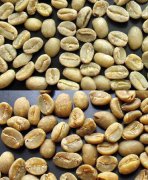
Grading of raw coffee beans
There are two ways to classify raw coffee beans, one is the filter number, and the other is the elevation. It is divided by the filter number, and the size is size in terms of the screen size. Round beans are generally smaller than flat beans, between 8-13 and 12-29. 8, 9, 10. 12, 13. 18. 29 = small, medium, ordinary. Quasi-big. Big, extra large. The bigger the size, the bigger the beans. Like SC-.
Classification standard of coffee raw beans for fine coffee
There are two ways to classify raw coffee beans, one is the filter number, and the other is the elevation. It is divided by the number of the filter screen, and the size is in the unit of the screen (size). Round beans are generally smaller than flat beans, between 8-13 and 12-29. 8, 9, 10. 12, 13. 18. 29 = small, medium, ordinary. Quasi-big. Big, extra large. The bigger the size, the bigger the beans. Like SC.
General knowledge of fine coffee beans grading of raw coffee beans
There are two ways to classify raw coffee beans, one is the filter number, and the other is the elevation. It is divided by the filter number, and the size is size in terms of the screen size. Round beans are generally smaller than flat beans, between 8-13 and 12-29. 8, 9, 10. 12, 13. 18. 29 = small, medium, ordinary. Quasi-big. Big, extra large. The bigger the size, the bigger the beans. Like SC-.
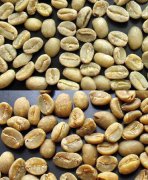
There are two methods for grading raw coffee beans in terms of sieve size, size
There are two ways to classify raw coffee beans, one is the filter number, and the other is the elevation. It is divided by the filter number, and the size is size in terms of the screen size. Round beans are generally smaller than flat beans, between 8-13 and 12-29. 8, 9, 10. 12, 13. 18. 29 = small, medium, ordinary. Quasi-big. Big, extra large. The bigger the size, the bigger the beans. Like SC-.
Barista examination and grading rules
Project junior barista / fractional barista / fractional senior barista / score 1, basic knowledge about coffee 1 the relationship between coffee and health 5 5 2 2, the origin and variety of coffee 4 4 3 2, the preparation before drinking coffee 1, the roasting method of coffee 5 5 1 2, the method of grinding coffee 5 5 1 3, the problems needing attention in the process of roasting and grinding coffee 10

Introduction of quality manor by description of taste and flavor in coffee bean producing area of Uganda
Acidity (brightness) (1-10): 8 taste (layering) (1-10): 8.5 taste (alcohol thickness) (1-5): 4 aftertaste (residue) (1-10): 8.1 balance (1-5): 0 basic score (50): 50 total score (maximum 100): 85.2 strength / main attributes: medium strength / oil content
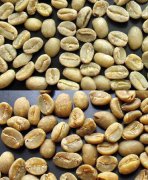
Classification of raw coffee beans in Coffee Encyclopedia
There are two ways to classify raw coffee beans, one is the filter number, and the other is the elevation. It is divided by the filter number, and the size is size in terms of the screen size. Round beans are generally smaller than flat beans, between 8-13 and 12-29. 8, 9, 10. 12, 13. 18. 29 = small, medium, ordinary. Quasi-big. Big, extra large. The bigger the size, the bigger the beans. Like SC-.
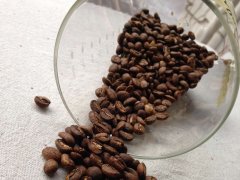
There are two ways to grade green coffee beans.
There are two ways to grade coffee beans, one is to filter the number of points, one is to elevation points. The size of the round beans is generally smaller than the flat beans, the round beans are between 8-13, and the flat beans are between 12-29. 8,9,10... 12,13... 18... 29= ,,......, Extra large. The bigger the number, the bigger the bean. SC-19, for example, is bean number 19.